
Alu Foil Container Lid Crimping Machine: 2026 Complete Procurement Guide for Food Service & Dairy Factories
Selecting the right Alu Foil Container Lid Crimping Machine is critical for food processing and dairy operations adopting 100% recyclable packaging.
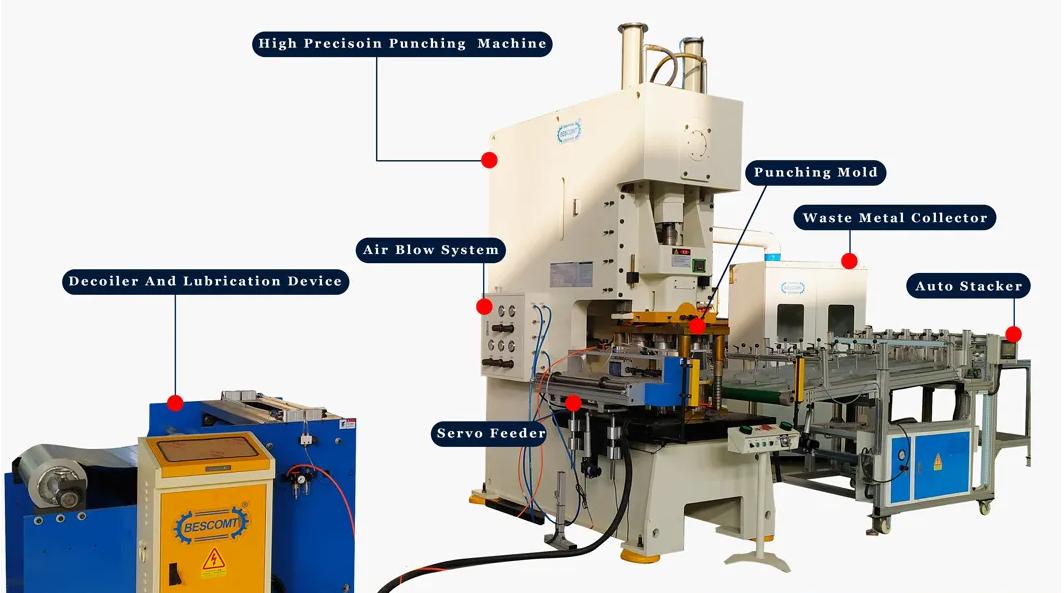
Driven by tightening international environmental regulations and shifting consumer preferences, the global aluminum foil container market has hit an estimated $4.8 billion in 2026. Rigid aluminum packaging continues to rapidly replace single-use plastics across commercial kitchens, central bakeries, and industrial dairy plants worldwide. In fact, real-time benchmark surveys reveal that 68% of food service processors have upgraded their downstream packaging automation over the past two years to accommodate 100% recyclable foil lids and high-barrier container designs.
Selecting the wrong alu foil container lid crimping machine can severely bottleneck your primary packaging lines, leading to rim deformation, product leakage, and costly regulatory non-compliance. Whether you are scaling up a semi-automated meal prep line or integrating high-speed rotary sealing stations, this procurement guide provides field-tested metrics, manufacturer benchmark comparisons, and actionable technical evaluation criteria to secure maximum ROI for your investment.
3 Core Performance Metrics to Evaluate Before Purchasing
When procuring an alu foil container lid crimping machine, evaluating core performance metrics prevents catastrophic seal failures on high-speed production lines. Food service packagers and dairy processors must prioritize these three parameters:
1. Precision Pressure Tolerance
- Primary Objective: Prevents foil rim tearing and flanged distortion.
- Technical Requirement: Maintains tight pressure boundaries ($\pm 0.05 \text{ MPa}$) across varying ambient operating temperatures. Servo-driven crimping heads adjust dynamically to prevent crushing thin 8011-grade aluminum foils.
2. High Hermetic Seal Rate (>99.8%)
- Primary Objective: Guards against liquid leakage and oxidative degradation.
- Technical Requirement: Multi-stage folding dies pre-bend and tightly lock the vertical foil lip under the container perimeter. Ensures compliance with transport vibration tests and extended cold-chain storage.
3. All-Aluminum Lid Compatibility
- Primary Objective: Ensures 100% mono-material packaging recyclability.
- Technical Requirement: PTFE or Titanium Nitride coated forming dies handle paperless, eco-friendly aluminum lidding without scratching internal protective food-grade lacquers.
Machine Metric Comparison Matrix
| Core Metric | Target Benchmark | Potential Risk of Failure | Mitigation Strategy |
| Pressure Tolerance | $\pm 0.05 \text{ MPa}$ | Pinholes, micro-tears, unsealed corners | Closed-loop pneumatic/servo calibration |
| Hermetic Seal Rate | $> 99.8\%$ | Spoilage, liquid leakage, reduced shelf-life | Multi-stage roller or crimp die tooling |
| Lid Compatibility | 100% Mono-Aluminum | Scuffing, lacquer degradation, foil wrinkles | Hardened, coated forming dies |
2026 Industry Benchmark: Comparing 4 Mainstream Machine Categories
Choosing the correct equipment category depends directly on your daily output targets, container footprint diversity, and capital expenditure limits. The table below compares authentic 2026 manufacturer baseline data across four primary equipment tiers currently operating in the market.
| Machine Category | 2026 Avg. Ex-Factory Price (USD) | Max Monthly Capacity | Container Size Range Supported | Avg. Annual Power Consumption | Primary Target Audience |
| Manual Crimping Tools | $450 – $1,200 | Up to 15,000 units | Small (100 ml – 750 ml) | 0 kWh (Manual) | Cloud kitchens, local takeaway shops, small catering operations |
| Semi-Automatic Desktop Units | $3,200 – $6,800 | 80,000 – 180,000 units | Medium (150 ml – 1,500 ml) | 1,200 – 2,100 kWh | Central kitchens, regional meal-prep facilities, pilot plants |
| 600 pcs/min Automated Line | $38,000 – $65,000 | 2.5 Million – 4.5 Million units | Full Standard Range (200 ml – 3,000 ml) | 14,000 – 22,000 kWh | Medium-to-large food processing factories, commercial bakeries |
| 1200 pcs/min High-Speed Industrial System | $110,000 – $185,000 | 8 Million – 12 Million units | Customized & High-Volume Formats | 45,000 – 72,000 kWh | Enterprise dairy plants, multi-national frozen food manufacturers |
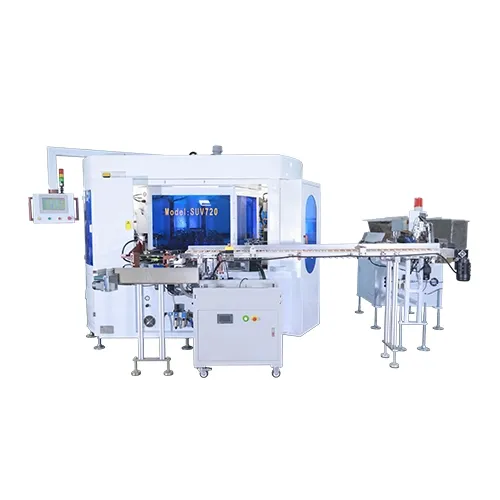
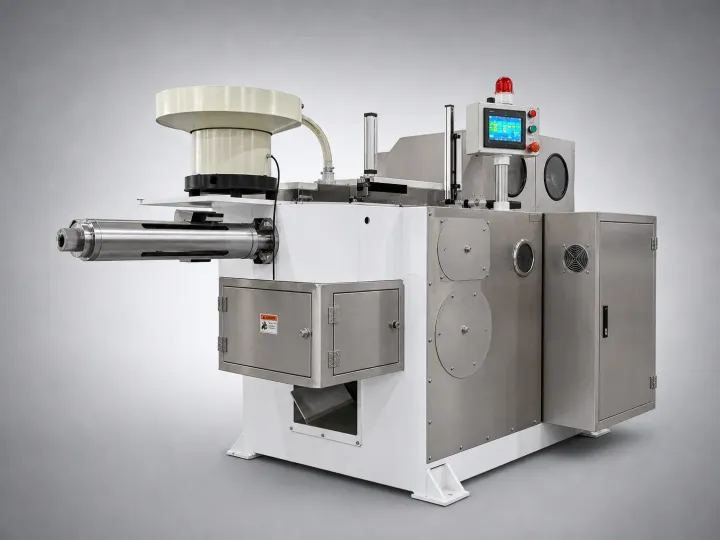
Deploying a semi-automatic alu foil lid crimper serves as an ideal entry point for growing meal-prep brands seeking consistency over manual hand-tools. Conversely, continuous rotary setups like the fully automatic aluminum container lid sealing equipment are engineered for 24/7 integration directly downstream from continuous filling stations.
6 Common Procurement Pitfalls Ignored by 72% of First-Time Buyers
Procuring industrial packaging machinery involves navigating hidden technical specifications. Field audits reveal that 72% of first-time buyers encounter operational hurdles within 12 months of deployment due to the following oversight areas:
- Container Lip and Rim Profile Mismatches: Ordering a standard crimping die without verifying your container’s exact lip geometry (e.g., G-latch, L-shape, or IV-fold) leads to poor rim closure and crushed container walls.
- Non-Food-Grade Frame Construction: Purchasing budget machinery constructed with standard carbon steel or low-grade 201 stainless steel results in rapid corrosion from washdowns, salt exposure, and acidic food splashback. Always demand AISI 304 or 316L stainless steel contact zones.
- Lack of Spare Parts Availability Beyond 2 Years: Discount vendors frequently use proprietary, unbranded pneumatic cylinders or legacy PLCs. When these components fail, replacing them can take weeks or force complete machine replacement.
- Inadequate Safety Guards and E-Stop Integration: Importing machinery that lacks CE or UL-certified safety interlocks, optical light curtains, and accessible emergency stops exposes your facility to severe regulatory fines and workplace injury liabilities.
- Ignoring Changeover Downtime Requirements: Certain low-cost machines require up to three hours and complex manual tooling adjustments to change between container sizes, drastically cutting into daily overall equipment effectiveness (OEE).
- Neglecting Electrical and Air Supply Matching: Failing to verify local utility parameters—such as matching 3-phase 380V/480V electrical standards or ensuring a stable 0.6–0.8 MPa compressed air line—can cause operational delays during installation.
On-Site Factory Acceptance Testing (FAT) Checklist
Before releasing final vendor payments, conduct a rigorous On-Site Factory Acceptance Test (FAT) at the supplier's facility or upon initial plant installation. Follow these three actionable inspection steps:
+--------------------------------------------------------------------+
|               3-STEP FACTORY ACCEPTANCE TEST (FAT)                 |
+--------------------------------------------------------------------+
|  STEP 1: 2-Hour Continuous Run Test                                |
|          --> Verify OEE > 98% at maximum operational speed        |
|                                                                    |
|  STEP 2: 1,000-Piece Leakage & Pressure Inspection                 |
|          --> Perform vacuum bath & drop tests on sealed units      |
|                                                                    |
|  STEP 3: After-Sales SLA & Spare Parts SLA Verification            |
|          --> Confirm 24-hr remote support & critical spare availability|
+--------------------------------------------------------------------+
Step 1: The 2-Hour Continuous Full-Speed Operational Run
Run the dairy food-grade lid crimping system continuously at maximum rated speed for at least two hours without raw materials or container jams. Monitor motor temperatures, air consumption stability, mechanical vibration levels, and digital PLC cycle times. Overall Equipment Effectiveness (OEE) during this test run should comfortably exceed 98%.
Step 2: 1,000-Piece Lid Leakage and Vacuum Inspection
Feed a batch of 1,000 filled test containers through the crimper. Randomly select 100 sealed samples and subject them to a vacuum bubble leak test submerged in water at -0.03 MPa for 30 seconds. Zero air bubbles should escape from the crimped perimeter. Additionally, perform standard 1-meter drop tests to confirm the lid rim does not pop open upon impact.
Step 3: SLA and Support Service Response Confirmation
Review the supplier’s written Service Level Agreement (SLA). Ensure guaranteed response times for technical troubleshooting (e.g., under 4 hours for remote diagnostic support and under 48 hours for on-site engineer dispatch) alongside a stocked, fast-ship critical spare parts list (including crimping blades, seals, and heating elements).
3-Year Total Cost of Ownership (TCO) and Maintenance Budget
Understanding the full financial picture of your recyclable all-foil lid crimping machine extends well beyond the initial invoice price. Factoring in routine maintenance, wear-and-tear replacement items, and utility consumption provides an accurate three-year projection.
+--------------------------------------------------------------------+
|                 3-YEAR TOTAL COST OF OWNERSHIP (TCO)               |
+--------------------------------------------------------------------+
|  Initial Machine Purchase Price      :  60% - 70% of Total Budget  |
|  Consumables & Wear Parts            :  10% - 15% (Blades, Seals)  |
|  Power & Compressed Air Utilities    :  12% - 18%                  |
|  Preventive Maintenance & Calibration :   5% - 8%                  |
+--------------------------------------------------------------------+
- Year 1 Maintenance ($800 – $2,500): Primary expenses focus on routine lubrication, pneumatic seal replacements, filter changes, and initial operator training calibration.
- Year 2 Maintenance ($2,200 – $5,500): Expect minor mechanical overhauls, including replacing high-wear crimping jaw inserts, drive belts, proximity sensors, and pneumatic solenoid valves.
- Year 3 Maintenance ($4,500 – $10,000+): Encompasses major component re-alignments, potential PLC/HMI firmware updates, main bearing replacements, and refurbishing primary mechanical crimping dies.
Frequently Asked Questions (FAQ)
What is the minimum crimping pressure required to seal 8011-grade, 0.2mm thick aluminum foil lids?
Sealing an 8011-alloy foil lid with a thickness of 0.2 mm typically requires a minimum targeted pneumatic or mechanical pressure of 0.35 MPa to 0.50 MPa (roughly 50 to 72 PSI) directly applied at the crimping jaws. Thicker gauge foils require firm, uniform mechanical force to permanently deform the aluminum edge around the container flange without leaving micro-gaps.
Can a single crimping machine handle different sizes of aluminum foil containers?
Yes, most modern semi-automatic alu foil container lid crimper models and automatic lines can accommodate multiple container sizes. However, doing so requires interchangeable quick-change tooling dies customized to each specific container's length, width, and corner radius. High-efficiency production lines feature tool-less quick-changeover mechanisms that allow operators to swap crimping heads within 10 to 15 minutes.
What is the average payback period for a semi-automatic foil lid crimper in a small catering setup?
For small-to-medium food service operations and cloud kitchens, a semi-automatic unit costing between $3,200 and $6,800 generally achieves full payback within 4 to 8 months. Cost savings are driven by eliminating manual labor bottlenecks, reducing food spillage/returns from improper seals, and increasing hourly packaging throughput by up to 300%.
What safety certifications are required for crimping machinery used in EU dairy processing lines?
Equipment destined for European Union dairy facilities must comply with the CE Directive (including Machinery Directive 2006/42/EC and Low Voltage Directive 2014/35/EU). Additionally, because dairy environments require stringent hygiene, product contact zones must comply with EC 1935/2004 food contact materials standards, featuring IP65 or higher washdown protection and EHEDG-aligned hygienic design principles.
What is the expected operational lifespan of an industrial automatic foil container crimping machine?
An industrial-grade, fully automatic crimping system built with an AISI 304/316 stainless steel frame and premium pneumatic/electronic components (such as Festo, Siemens, or Schneider) has an average operational lifespan of 10 to 15 years, provided routine preventive maintenance and timely die refurbishments are maintained.

Comments ()